
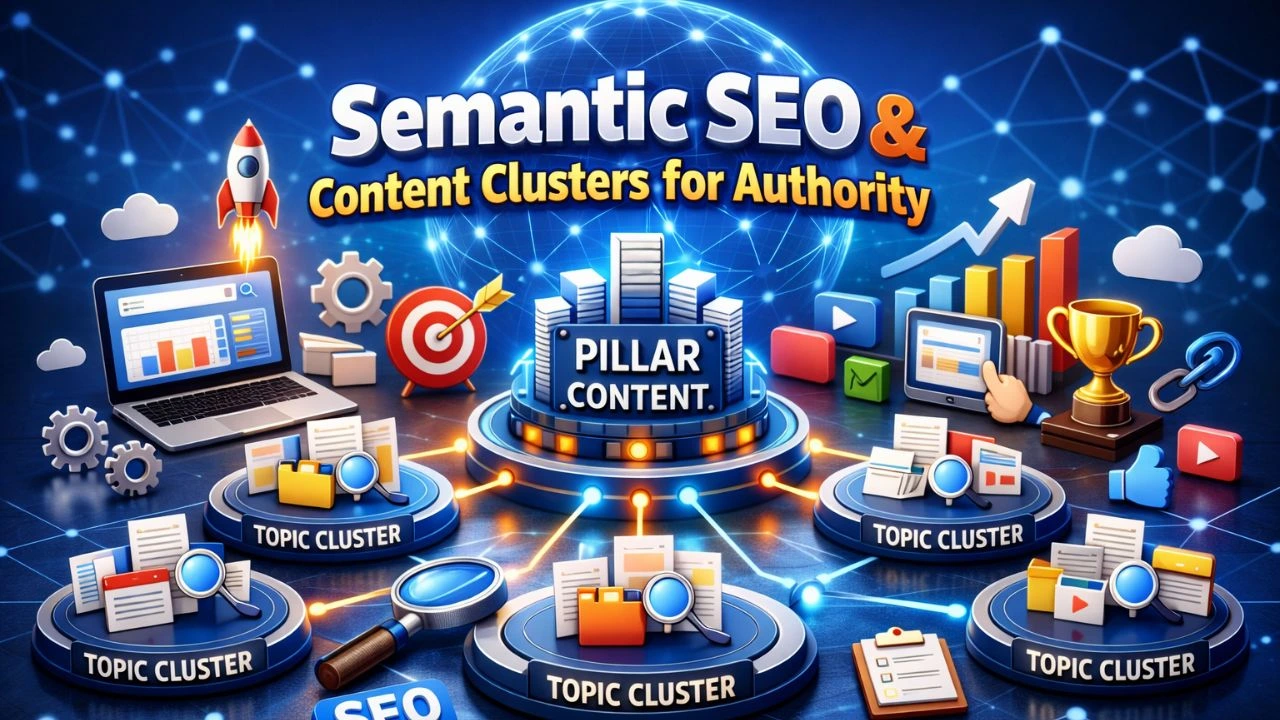
Search engines have changed dramatically in recent years. Earlier, ranking on search results mainly depended on inserting keywords multiple times within a page. Today, search engines evaluate context, meaning, and intent before deciding which page deserves visibility.
This shift has introduced the concept of Semantic SEO, a strategy that focuses on understanding topics rather than simply matching keywords. Businesses that organize their Website Content around meaningful topic relationships can build authority, improve rankings, and attract highly relevant traffic.
At the same time, modern search results increasingly reward websites that present structured knowledge through content clusters, technical documentation, research materials, and persuasive messaging. When elements such as Technical Writing, White Paper Writing, and Copywriting for Leads are integrated into a unified strategy, the website becomes both informative and conversion focused.
This article explains how semantic optimization and content clusters work together to establish strong topical authority and sustainable organic growth.
Table of Contents
What Is Semantic SEO?
Understanding how modern search engines evaluate content is essential for anyone who wants to improve visibility.
Definition of Semantic SEO
Semantic SEO refers to an optimization approach that focuses on the meaning behind search queries instead of just matching exact keywords. Search engines analyze relationships between words, entities, and topics to determine whether a piece of content truly answers the user’s question.
Instead of writing content around isolated keywords, Semantic SEO encourages building comprehensive topic coverage that explains related concepts and answers multiple user questions within a single content ecosystem.
This approach helps search engines understand the depth and relevance of your Website Content, which improves the chances of appearing in higher search positions.
How Search Engines Understand Context
Modern algorithms rely on advanced technologies such as natural language processing and entity recognition. These systems analyze how words relate to each other and how topics connect within a broader subject area.
For example, when someone searches for information related to content strategy, the algorithm evaluates whether the page covers supporting concepts, explanations, and contextual knowledge. Content that explains the topic thoroughly tends to perform better.
Because of this evolution, Semantic SEO has become essential for building authority and improving organic visibility.
Why Semantic SEO Improves Rankings?
When websites adopt Semantic SEO, they gain several advantages:
• Better alignment with user intent
• Stronger topical relevance
• Improved user experience
• Greater potential to appear in featured snippets
Search engines reward content that delivers meaningful answers. A well structured page that explains concepts clearly and connects related topics signals expertise and trustworthiness.
Understanding Content Clusters and Topic Authority
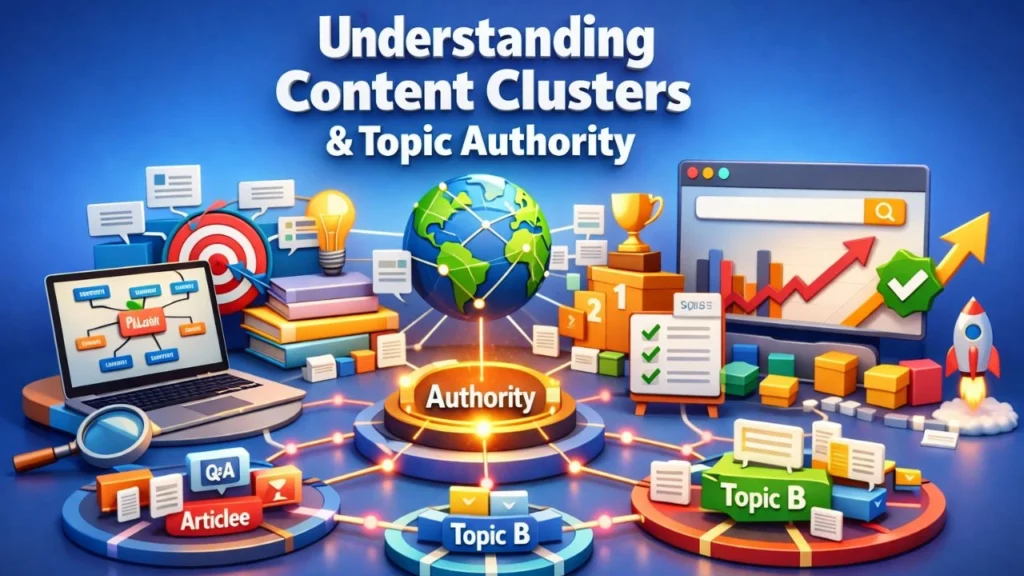
Content clusters play a crucial role in building a strong semantic structure.
What Are Content Clusters?
Content clusters organize information around a central topic called a pillar page. The pillar page provides a broad overview of the subject, while supporting articles cover specific subtopics in greater detail.
These pages link to each other through internal links, creating a clear topic hierarchy. This structure allows search engines to see the relationship between articles and understand the overall expertise of the website.
Why Content Clusters Improve Website Content Strategy?
A well designed cluster system improves the quality and organization of Website Content in several ways.
First, it creates logical navigation for readers. Visitors can move easily between related articles without leaving the site.
Second, it helps search engines crawl and interpret information more efficiently.
Finally, it strengthens topical authority because the website demonstrates consistent coverage of related concepts.
Relationship Between Semantic SEO and Content Clusters
Content clusters support Semantic SEO by connecting relevant ideas within a topic. When multiple articles explain different aspects of a subject and link to each other logically, search engines can clearly understand the context.
This interconnected structure increases the credibility of the website and improves its ability to rank for a wide range of related queries.
How Semantic SEO Strengthens Website Content?
Creating meaningful and well structured content is essential for modern search visibility.
Creating Contextually Rich Website Content
Strong Website Content goes beyond basic explanations. It introduces related ideas, supporting concepts, and clarifying information that helps readers fully understand the subject.
For example, a page discussing digital strategy should also address related elements such as content organization, user intent, and information architecture.
This contextual depth is the foundation of Semantic SEO, because it signals to search engines that the page provides comprehensive information.
Structuring Website Content for Search Engines
Clear structure plays an important role in how search engines interpret content.
Headings, subheadings, and logical content sections allow algorithms to identify the main topic and supporting ideas. When the structure follows a natural hierarchy, both readers and search engines can easily navigate the information.
Adding question based sections also helps pages appear in voice search results.
Internal Linking Strategies
Internal links connect cluster articles to the pillar page and to other relevant resources. This system strengthens relationships between topics and reinforces the semantic structure of the site.
Strategic internal linking helps distribute authority across pages while supporting Semantic SEO goals.
Role of Technical Writing in Semantic SEO
Clear and structured information improves both usability and search performance.
What Is Technical Writing in Digital Content?
Technical Writing focuses on presenting complex information in a clear, organized, and easy to understand format. It is often used in documentation, guides, and educational resources.
Within digital content strategies, Technical Writing ensures that explanations remain accurate, structured, and informative.
How Technical Writing Improves Content Clarity?
When content is written with technical precision, readers can understand complicated topics without confusion.
Structured explanations, defined terminology, and logical formatting make the information more accessible. These qualities also help search engines interpret the page more effectively.
Structuring Technical Documentation for Semantic SEO
Technical documentation often includes headings, definitions, step based explanations, and clear topic segmentation. This structured format naturally supports Semantic SEO because it provides strong contextual signals.
When combined with internal links and cluster strategies, technically structured content strengthens overall topical authority.
Using White Paper Writing to Build Authority
Research based resources provide depth and credibility.
What Is White Paper Writing?
White Paper Writing refers to the creation of detailed documents that explain complex issues, research findings, or industry insights. These materials typically focus on education rather than promotion.
They provide thorough analysis and structured information designed to help readers understand a subject more deeply.
Why White Paper Writing Enhances Topical Authority?
Long form research content demonstrates expertise. When a website publishes informative materials developed through White Paper Writing, it signals that the organization understands the subject at a professional level.
These documents often become valuable reference resources that strengthen trust and authority.
Integrating White Papers Into Content Clusters
White papers can serve as high value resources within content clusters. Supporting articles may link to them for deeper explanations, while pillar pages summarize the key ideas.
This integration improves knowledge depth and reinforces Semantic SEO signals across the site.
Copywriting for Leads Within Content Clusters
Educational content attracts traffic, but effective messaging converts that traffic into meaningful engagement.
Why Copywriting for Leads Is Essential?
Copywriting for Leads focuses on guiding readers toward specific actions. These actions might include subscribing to updates, downloading resources, or requesting additional information.
Persuasive language encourages visitors to continue interacting with the website.
Optimizing Website Content for Lead Generation
Strategic calls to action should appear naturally within informative content. When readers find valuable insights, they are more likely to respond positively to helpful suggestions.
By combining informative articles with Copywriting for Leads, websites can transform educational resources into conversion opportunities.
Aligning Copywriting for Leads With Semantic SEO
Persuasive messaging should always align with the reader’s search intent. When the information truly addresses the user’s needs, calls to action feel natural rather than intrusive.
This balance between education and persuasion strengthens both engagement and Semantic SEO performance.
Optimizing Content Clusters for Voice Search and AEO
Voice assistants and answer engines are shaping how users interact with search.
What Is Answer Engine Optimization
Answer Engine Optimization focuses on structuring content so that search engines can easily extract quick answers. Short explanations, clearly labeled questions, and structured sections increase the chances of appearing in direct answer results.
Voice Search Optimization Techniques
Voice searches are typically conversational. Users ask complete questions rather than typing fragmented phrases.
Content that includes question based headings and natural language explanations performs better for voice queries.
Structured Data for Semantic SEO
Structured data helps search engines understand the purpose of different sections of content.
Common markup formats include FAQ schema and how to instructions. These elements improve visibility in rich results and support Semantic SEO goals.
GEO Optimization for Local and Global Authority
Location signals influence how search engines display content to users in different regions.
What Is GEO Optimization
GEO optimization focuses on creating location relevant content that aligns with regional search behavior. It ensures that pages remain useful for audiences in different geographic areas.
Creating Location Relevant Website Content
Location based references, regional terminology, and contextual information help search engines determine where content is most relevant.
Well structured Website Content that considers geographic context can perform better in localized searches.
Combining Semantic SEO With GEO Strategies
When location signals are integrated with topic focused content, websites gain stronger contextual relevance.
This combination allows Semantic SEO strategies to reach audiences across different regions while maintaining consistent authority.
Step by Step Process to Build Semantic Content Clusters
Building an effective semantic structure requires a clear process.
- Identify the core topic that will serve as the pillar page.
- Conduct entity based keyword research to understand related concepts.
- Develop supporting articles that explore specific subtopics.
- Organize Website Content using clear headings and logical structure.
- Apply Technical Writing principles for clarity and precision.
- Create detailed research resources using White Paper Writing.
- Use Copywriting for Leads to guide reader engagement.
- Strengthen the structure through internal linking and structured data.
Following these steps creates a powerful knowledge network that supports Semantic SEO success.
Common Mistakes to Avoid in Semantic SEO
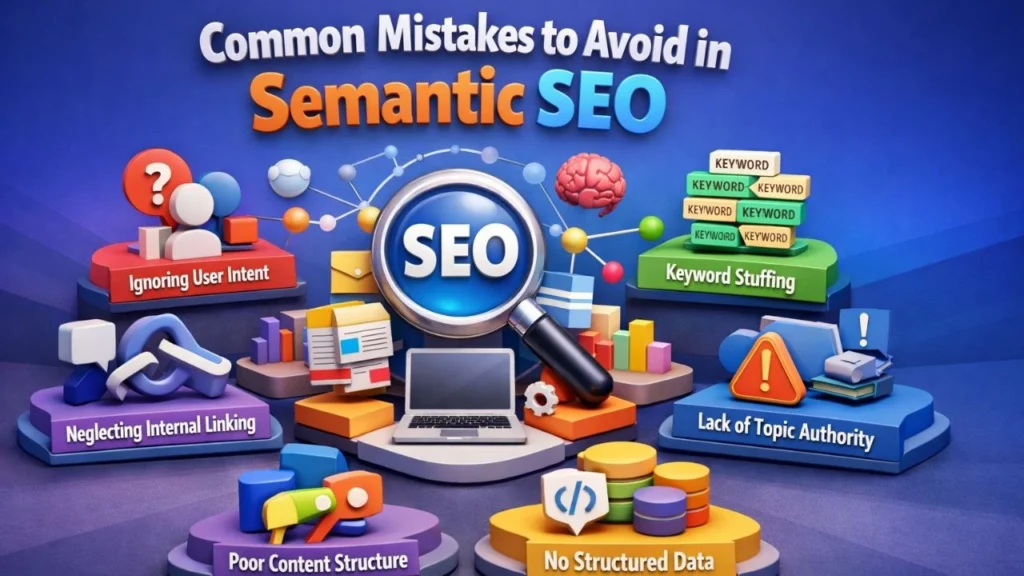
Even well intentioned strategies can fail if certain mistakes occur.
Some of the most common issues include:
• Focusing only on keywords instead of topic coverage
• Publishing thin or incomplete Website Content
• Ignoring internal linking opportunities
• Overlooking user intent behind search queries
• Failing to use structured data and clear content hierarchy
Avoiding these mistakes helps maintain a strong semantic foundation.
Future of Semantic SEO and Content Authority
Search technology continues to evolve as artificial intelligence improves the ability of algorithms to understand language.
In the future, search engines will rely even more heavily on context, knowledge relationships, and entity recognition.
Websites that invest in comprehensive Website Content, structured Technical Writing, informative White Paper Writing, and persuasive Copywriting for Leads will be better positioned to build long term authority.
As digital competition grows, Semantic SEO will remain one of the most effective strategies for improving visibility and delivering meaningful information to users.
Frequently Asked Questions
What is Semantic SEO?
Semantic SEO is a strategy that focuses on optimizing content based on meaning and context rather than simply repeating keywords.
How do content clusters improve search rankings?
Content clusters organize related articles around a central topic, helping search engines understand the depth and relevance of a website’s information.
Why is Website Content important for SEO?
High quality Website Content provides detailed explanations and contextual information that help search engines evaluate the authority of a page.
Can Technical Writing help improve SEO performance?
Yes. Technical Writing improves clarity and structure, making complex information easier for both users and search engines to understand.
How does Copywriting for Leads support SEO strategies?
Copywriting for Leads combines persuasive messaging with informative content to guide readers toward meaningful actions while maintaining relevance to their search intent.
